READING ROOM / PRACTICAL IDEAS
Make a cultural project brief that people can actually use
Turn an exhibition idea into one clear visitor invitation, a realistic delivery plan and a record of what happened.
In this guide 6 sections
A shared invitation needs a shared record
A neighbourhood campaign can bring several organisations together without making their responsibilities interchangeable. Old City District’s minutes for 20 March 2013, prepared on 12 April, describe a March advertising collaboration involving the District, the Old City Arts Association and the Old City Business Collective. They also record planning for a First Friday Weekend and a brochure. That is evidence of coordination in 2013, not a current partnership announcement or a measurement of its results.
Write the visitor sentence first
Use this structure: “For [audience], [activity] at [confirmed place] on [confirmed date] offers [one specific experience]; participation requires [booking, cost and access information].” A listing is ready only when a reader can work out what to do next. Avoid a promise such as “the city’s best event” that supplies no practical detail. Ask the responsible venue to verify the public sentence before distributing it.
Use a nine-field working brief
Record purpose; audience; activity; venue and programme contact; date and duration; ticket or entry arrangements; access questions; delivery owner; and the evidence you will keep. Put unresolved information in a separate action list with an owner and a due date. Do not quietly replace “not confirmed” with an attractive claim. A colleague should be able to use the brief without reading the entire planning conversation.
A complete illustrative brief
Suppose two consenting makers plan a free, 30-minute paper-looking session for adult beginners. The audience is people who want a first encounter with making. The activity is comparing folds, shadows and spacing using original paper samples. The organiser must confirm a venue, a date, capacity, seating, step-free entry and whether booking is necessary. One person owns the public listing; another checks the materials and cleanup plan. This is a planning example, not an event currently offered by an Old City venue.
Separate delivery from response
An invoice records a purchase. A print log records how many copies reached a distribution point. Neither establishes how many people read a guide, visited a gallery or enjoyed a session. For a hypothetical 100-copy run, 60 copies delivered and 40 retained reconcile the stock total. They do not become “60 visitors.” A volunteer can keep an aggregate attendance count if the organiser has an appropriate process, but names and email addresses are unnecessary for this basic exercise.
Close the loop in one page
After the activity, compare the confirmed brief with what was delivered. Keep three columns: planned / observed / next change. For example, “30 minutes / the looking exercise ran 25 minutes / leave five minutes for questions.” Describe the observation method and the limits of the count. Thank collaborators through agreed credits, then preserve the dated brief. Do not reuse an old price, deadline, sponsor or venue arrangement as if it remained available.
Take this method with you
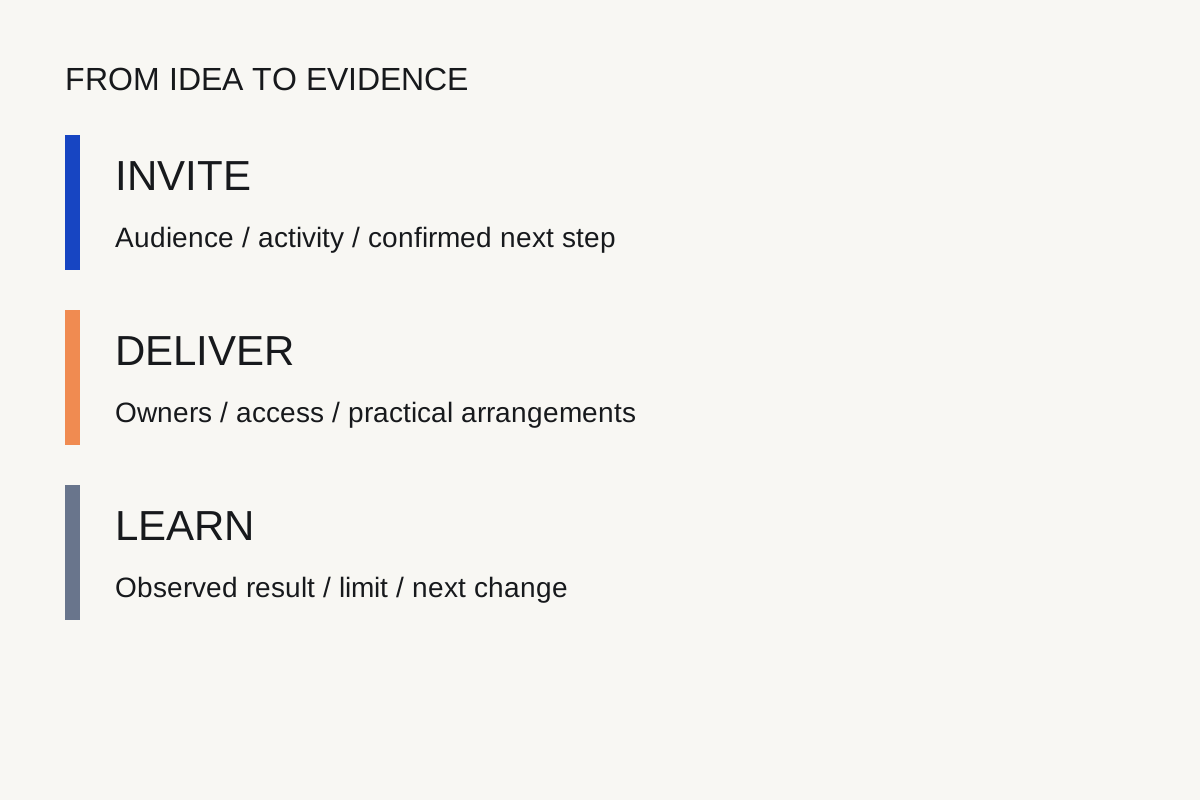
- 01Invite
A clear audience, activity and confirmed next step.
- 02Deliver
Named owners, access checks and a reconciled delivery record.
- 03Learn
Observed results and one specific change; no invented reach.